
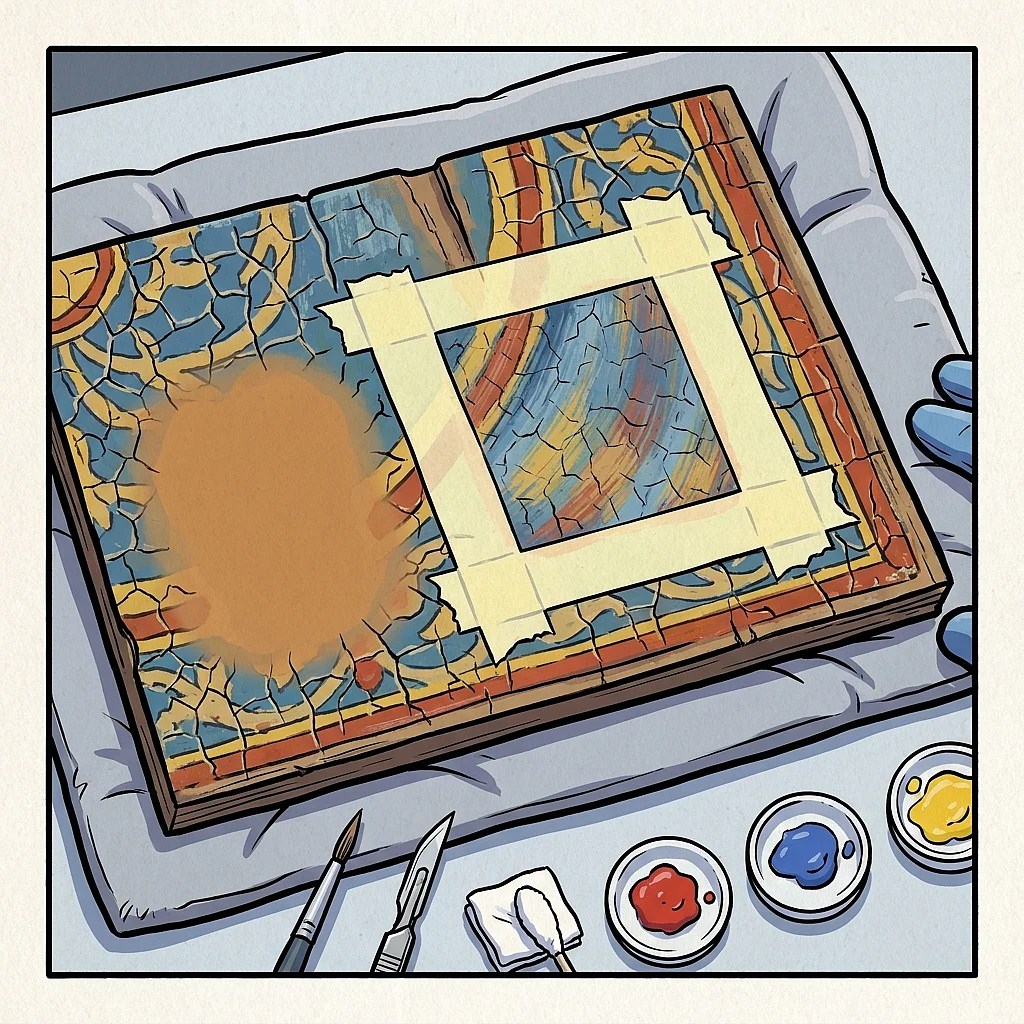
Anyone who has used AI image models for specific corrections so far knows the problem: you want to change just one detail – a colour, an object, a section of the image – and you get back an image in which faces, textures or backgrounds have also shifted. For marketing material and websites, this is a practical obstacle, because every change requires a new visual check.
This is exactly where Ideogram 4.5 comes in. The model is designed to change only the desired areas during editing and keep the rest of the image content stable. This shifts the purpose: from creative regeneration to controlled post-processing of existing motifs.
What's new
The key points of the announcement can be summarised briefly:
- Stable editing: Changes remain locally limited, the rest of the image is not reinterpreted.
- Native 2K resolution: The higher resolution is created directly in the model, not only through downstream upscaling.
- Price from 0.8 cents per image: This keeps even larger image series in the range of cents.
- Partner integration: Providers such as Runway, Pika and Leonardo AI support the model.
- Open-weight release announced: The model weights – i.e. the trained parameters – are to become openly available.
Why stability matters more than image quality
Discussions about AI images are usually dominated by the question of how good a motif looks. In productive use, another property is more decisive: reproducibility. If a model produces twenty slightly different variants across twenty correction passes, no reliable workflow can be built on it.
Stable editing changes this calculation. A motif that has already been approved can be adjusted without having to repeat the approval entirely. For editorial teams, this means smaller review steps instead of a complete re-evaluation – and less friction between marketing, the specialist department and the agency.
Resolution and costs in the project context
Native 2K resolution is a practical value for web projects. It is sufficient for header areas, large-format teasers and displays on high-resolution screens, without a separate upscaling step having to be interposed. Every intermediate step that is eliminated reduces sources of error in the image pipeline.
The price from 0.8 cents per image also changes the way you plan. If individual variants effectively play no role in cost calculation, it is worth generating several image variants for different target groups, language versions or campaign channels. The relevant cost factor then remains human review – not generation.
Ecosystem and open weights
The fact that partners such as Runway, Pika and Leonardo AI support the model lowers the barrier to entry. Teams that already work with one of these platforms do not have to build a new toolchain, but can test the model within existing processes.
The announced open-weight release is interesting for companies with stricter data protection or compliance requirements. Open weights fundamentally open up the possibility of running a model in your own infrastructure instead of handing image material over to an external service. However, specific licence terms and hardware requirements cannot be derived from the announcement – an assessment only makes sense after publication.
Realistic assessment
Manufacturer claims about stability and quality are promises, not measured values. Anyone who seriously wants to use the model should test it on their own material: product photos with fine structures, images with text elements, portraits. Especially with brand and product presentations, details determine whether a result is ready for approval.
Regardless of this, the organisational questions remain: who approves AI-generated or AI-edited images? How is the editing documented? Which motifs may be synthetically adjusted at all? No model update solves these points; they belong in internal guidelines.
Classification for web and software projects
For web projects, the bottleneck shifts: it is no longer image generation that is expensive, but quality assurance and clean integration into the content management system. Anyone who now invests in clear approval processes, traceable image variants and automated output formats benefits directly from falling model costs. A limited pilot with your own image material makes sense – this allows you to establish reliably whether the promised stability meets your own quality standards.


